Classic Pedicure vs Spa Pedicure: What Is the Difference?
A classic pedicure focuses on the core cosmetic maintenance of the feet and toenails, while a spa pedicure usually adds extra relaxation or skin-care steps such as extended soaking, exfoliation, massage or masks depending on the provider. The word "spa" is not a medical standard, so always compare the actual inclusions.
Choose a classic pedicure when your main goal is nail shaping and polish maintenance. Choose a spa pedicure when you want a longer, more indulgent service with additional cosmetic foot-care steps.
Quick comparison
| Factor | Classic pedicure | Spa pedicure |
|---|---|---|
| Main goal | Nail and polish maintenance | Nail care plus extra relaxation/skin care |
| Time | Usually shorter | Usually longer |
| Exfoliation | Basic or limited depending provider | Often more extensive |
| Massage | May be brief | Often longer |
| Masks/scrubs | Not always included | More likely |
| Medical foot care | No | No |
The last row is important: neither service should be presented as treatment for foot disease.
What a classic pedicure usually includes
A classic pedicure normally focuses on cosmetic nail and foot grooming.
That can include nail shaping, basic cuticle-area care, surface cleaning, polish preparation and colour.
Exact steps vary by provider.
Home Salon's live Nail Services page currently lists pedicure with colour, Gelish pedicure, French gel and other options.
If colour maintenance is your main goal, a classic pedicure may be enough.
What makes a pedicure a "spa" pedicure?
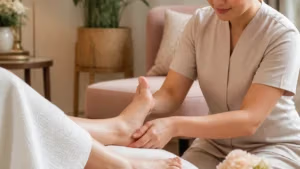
A spa pedicure usually extends the experience beyond basic nail maintenance.
The provider may add a longer soak, scrub, mask, massage, moisturising treatment or other comfort-focused steps.
However, "spa pedicure" is not a standardized protocol. One salon's version can be very different from another's.
Before booking, ask what Home Salon's current spa-pedicure package includes rather than assuming from the name.
Is spa pedicure better for dry feet?
It can be more focused on cosmetic skin softening, but "better" depends on the cause and severity of the dryness.
Simple dry skin can often be managed with regular moisturising and cosmetic foot care.
Deep cracks, bleeding, pain, infection or foot problems associated with diabetes or poor circulation need appropriate healthcare advice rather than a more intensive salon package.
A spa pedicure is a beauty/wellness service, not podiatry.
What about calluses?
Callus is thickened skin caused by pressure and friction.
A salon may offer cosmetic callus smoothing, and Home Salon currently lists a callus treatment option on its Nail Services menu.
But aggressive removal can injure skin.
People with diabetes, poor circulation, neuropathy or other foot-health risks should be especially careful about salon foot treatments and follow healthcare guidance.
Do not use a spa pedicure to self-treat painful or medically concerning foot lesions.
Which is better before an event?
A classic pedicure may be enough when your main priority is neat nails and colour.
A spa pedicure may make sense if you also want a longer relaxation experience and cosmetic foot-skin care.
Timing matters more than the label.
If your skin tends to become red or sensitive after exfoliation, do not schedule an unfamiliar intensive treatment immediately before an important event.
Choose a service you know your skin tolerates.
Which polish system should you choose?
Classic vs spa describes the service scope, while regular polish vs gel describes the colour system.
You can therefore have combinations such as a classic pedicure with regular colour or a pedicure using a gel system, depending on the menu.
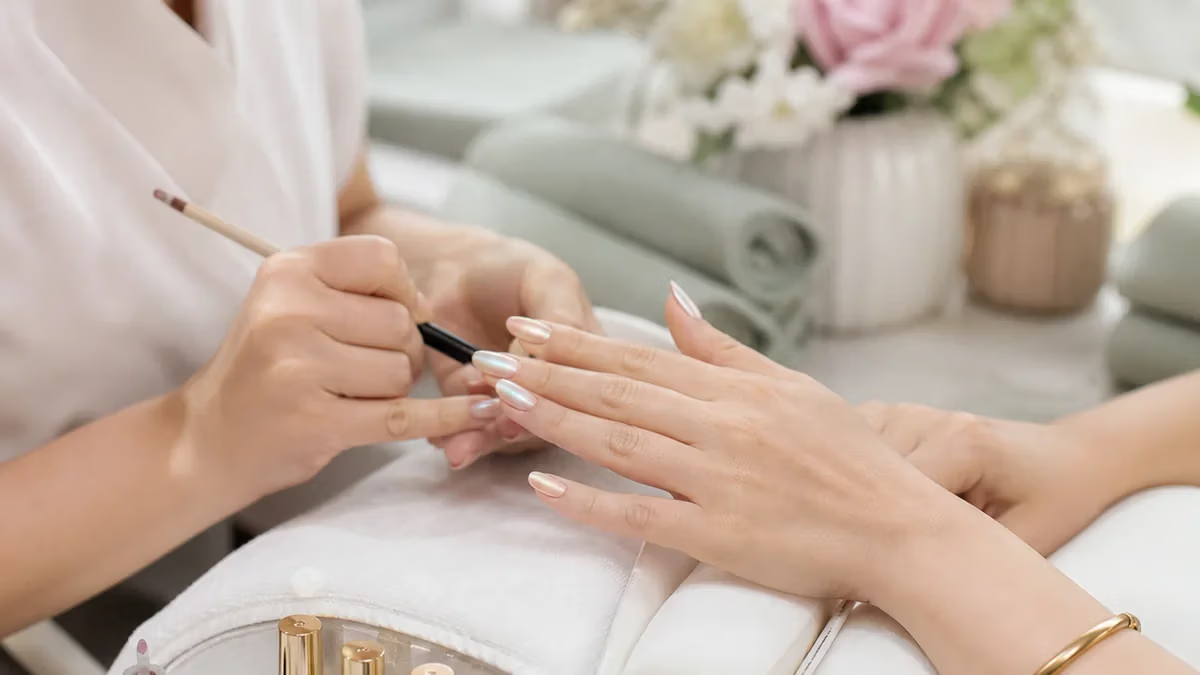
Gel colour is cured under a professional lamp and designed for longer wear. Regular polish is easier to change.
If durability is the main issue, compare the polish system separately rather than assuming spa pedicure automatically includes the longest-lasting colour.
Hygiene questions for any pedicure
Foot-care services use reusable tools, towels and treatment surfaces, so hygiene matters.
Ask how reusable tools are cleaned and disinfected between clients and whether single-use items are discarded appropriately.
AAD advises clients to ask about tool cleaning and cautions against cutting cuticles.
If there is an open wound, active infection or significant inflammation, postpone the cosmetic service.
For a broader checklist, see our Home Salon Hygiene Guide.
How often should you get either pedicure?
There is no medical requirement to book a pedicure on a fixed schedule.
Toenails generally grow more slowly than fingernails. Rebooking can be based on polish wear, nail length, skin condition and personal preference.
If you use gel polish, growth and removal needs matter too.
Our manicure and pedicure frequency guide explains the maintenance logic.
How to prepare for an at-home pedicure
Tell the provider what is currently on the toenails and whether removal is needed.
Do not aggressively cut nails, cuticles or callus immediately before the appointment.
Prepare a clean, well-lit area where the technician can sit and work comfortably. Tell the provider about allergies, previous reactions or foot-health concerns that may affect cosmetic service.
Our at-home mani-pedi preparation guide provides the complete checklist.
Home Salon pedicure options
Home Salon's Nail Services at Home page currently lists several pedicure options, including classic colour, Gelish, spa pedicure and callus-focused service.
Use the live page for current inclusions and prices.
The decision is straightforward: choose classic for core maintenance, spa when you want additional comfort and cosmetic foot-care steps.
How to compare two spa-pedicure packages
If two providers both use the phrase "spa pedicure," compare the actual steps. Ask how long the service is, whether regular or gel polish is included, whether exfoliation or a foot mask is part of the package, how callus care is handled and what tools/products are used.
Also compare hygiene and whether the provider has clear boundaries around open wounds or suspected infection. A longer service is not automatically better if the extra steps are not useful for your feet.
Who may prefer a classic pedicure
A classic pedicure often fits clients who maintain their feet regularly, want a neat colour change, have limited time or prefer fewer products on the skin. It is also easier to combine with a manicure when the main goal is polished hands and feet rather than an extended relaxation session.
A spa pedicure can still be the better choice when the extra time and cosmetic skin-care steps are part of what you actually enjoy.
Price should follow scope
A spa pedicure will often cost more because it reserves more time and includes extra products or steps. Compare like with like: polish type, duration, exfoliation, massage, callus work and any add-ons. The live Home Salon nail menu should remain the source for current package prices rather than hardcoding them in an evergreen guide.
Frequently asked questions
Is a spa pedicure medically better for feet?
No. It is a cosmetic/wellness service with extra steps, not medical foot treatment.
Does spa pedicure always include gel polish?
No. Spa describes service scope; gel describes the polish system. Confirm the package.
Can a pedicure remove calluses?
A salon may cosmetically smooth callused skin, but painful, cracked or medically concerning foot problems need appropriate assessment.
Which takes longer?
Spa pedicures usually take longer because of added steps, but exact duration depends on the provider.
Can I combine a pedicure with a manicure at home?
Home Salon currently allows nail services to be combined depending on timing and availability. Confirm the total appointment time when booking.